The Earring Equation: Matching Drops, Hoops and Studs to Your Face
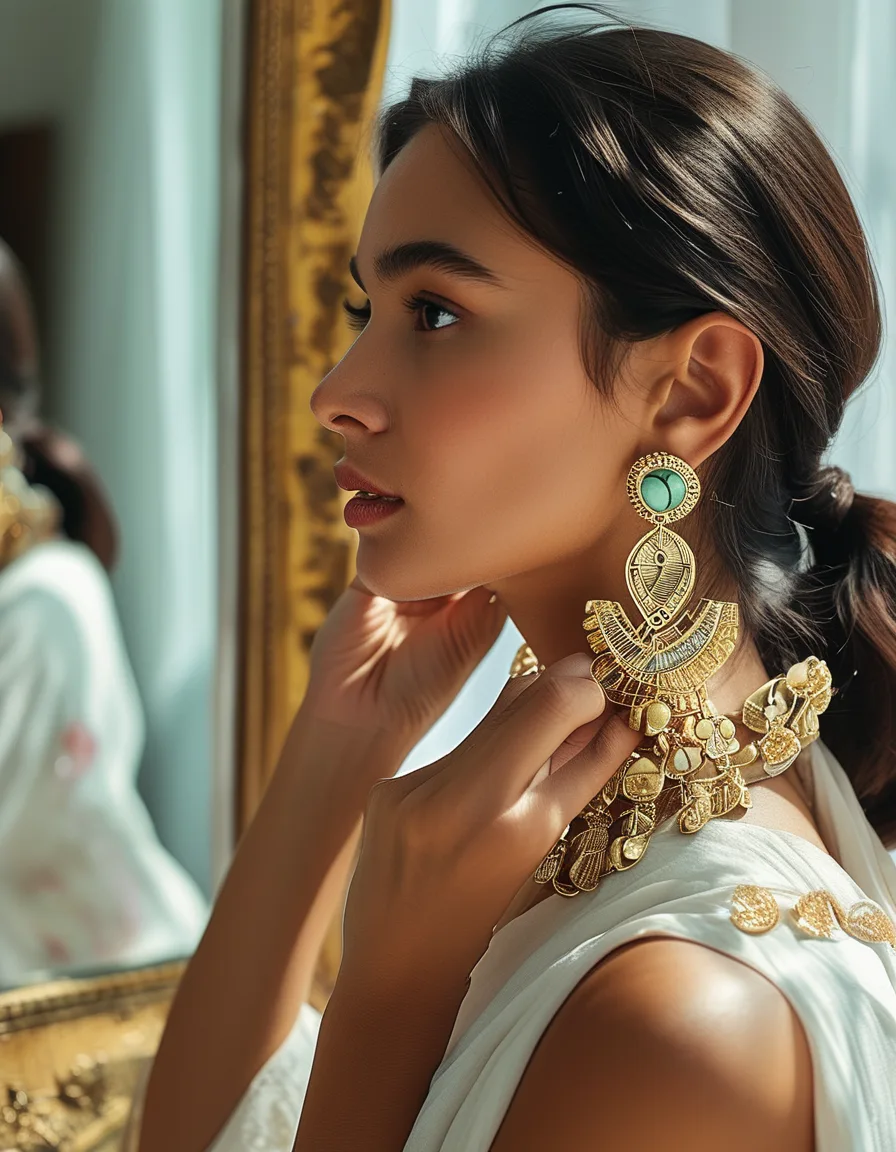
Earrings are the face’s punctuation — and like punctuation, placement changes the sentence. The earring equation runs on geometry (face shape), context (hair length) and restraint (the one-statement rule). The engineering behind the effortless-looking ear.
The Geometry Principles
The contrast rule does the work: longer faces balance with width (studs, wide hoops, clustered shapes), rounder faces lengthen with drops and linear dangles, angular faces soften with curves (hoops, organic shapes), and oval faces — the geometry lottery — wear everything. The earring extends or interrupts the face’s lines; choose the direction.
The Hair Variable
Hair length re-weights everything: short crops and updos give earrings a gallery wall (the statement earring’s natural habitat — this is why the bob-and-big-earring combination rules), while long loose hair swallows subtle pairs (go bigger, or embrace the peek-through drama of drops).
The One-Statement Rule
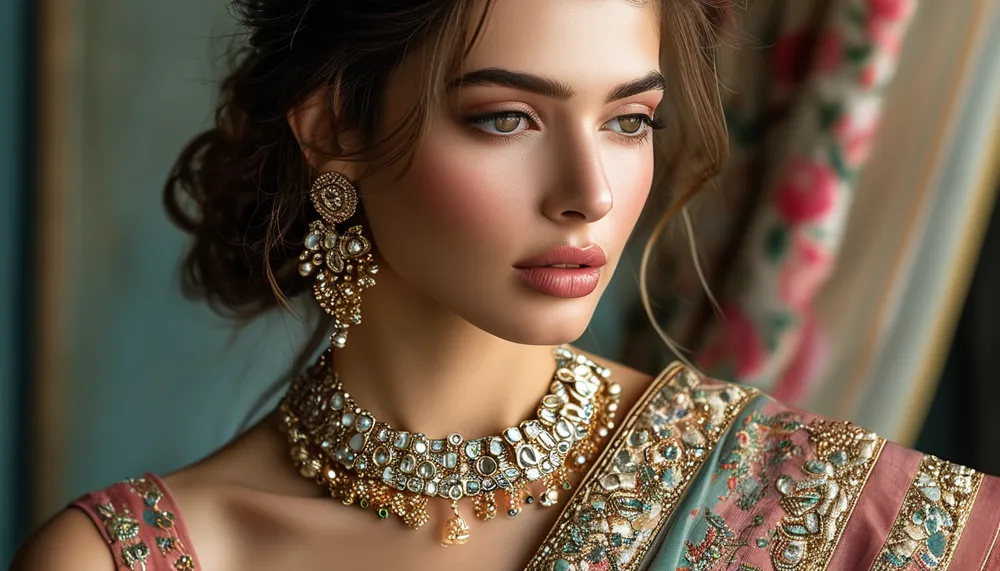
The accessory hierarchy’s earring clause: statement ears travel with quiet necks (the big earring and big necklace compete for the same visual airspace — one wins by the other’s absence). The statement earring alone elevates a white tee; paired with everything else, it joins a crowd.
The Capsule Ears
The earring wardrobe’s core four: everyday studs (the defaults), mid-size hoops (the most outfit-versatile shape in jewelry), one statement pair (the outfit-maker), and the sentimental pair that outranks all rules. Four pairs, every occasion punctuated — the report’s minimalist verdict.
Contrast the geometry, size to the hair, one statement at a time. Earrings were always the face’s punctuation — the equation just teaches where the emphasis lands.
Keep Reading
This article is for general styling and informational purposes only. Trends, sizing, availability and pricing may vary by brand and season.