The Belt Report: The Most Underrated Accessory and the Ten Ways It Redraws an Outfit
The belt spent a decade holding up nothing and meaning less — and it’s quietly fashion’s most powerful line: the accessory that redraws proportions, converts volume into shape and finishes what looked unfinished. The belt report.
The Architecture Case
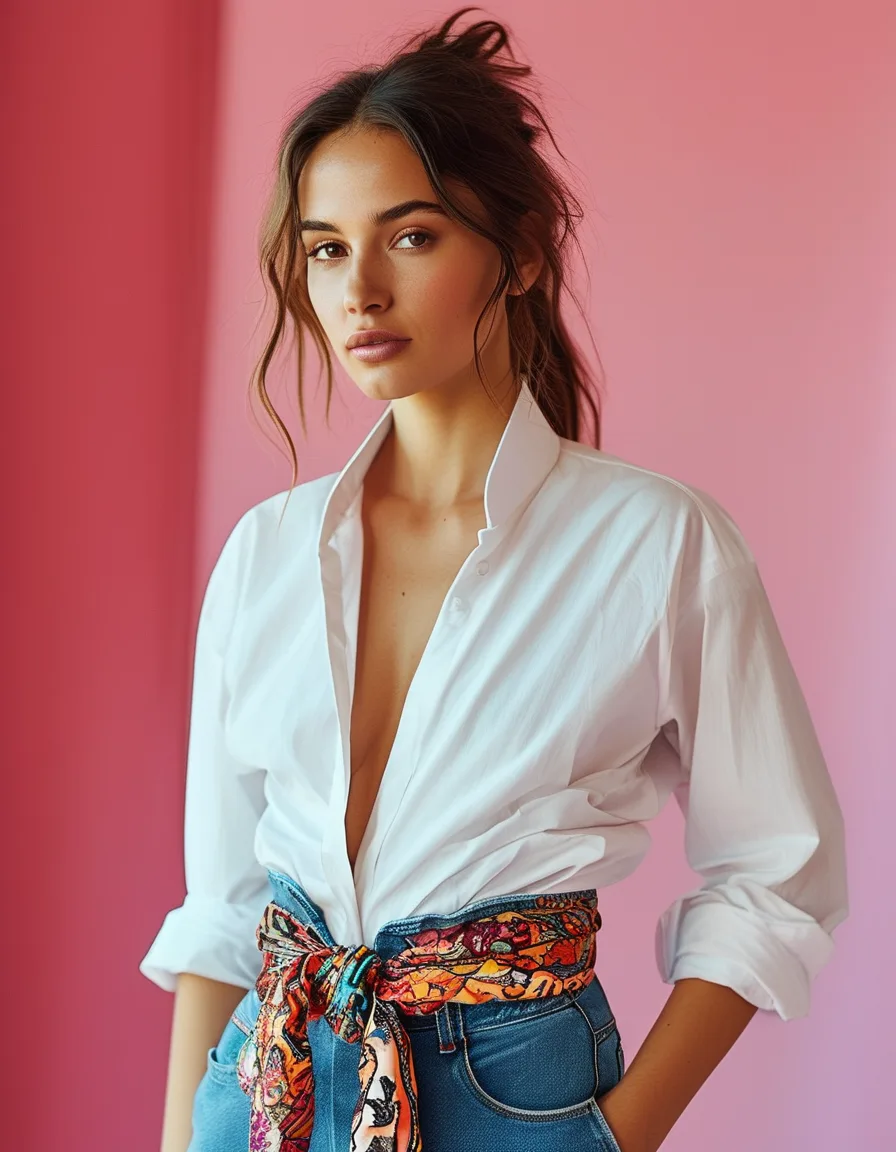
Why the belt outranks its reputation: the proportion power (the waist marked being the single fastest silhouette edit — the shapeless-to-shaped conversion in one buckle; the oversized trend’s essential partner), the outfit punctuation (the belt as the sentence’s period — the deliberate finish that reads styled; the same dress belted and unbelted being two different outfits), the eye-level control (the waistline placed where YOU decide — the high-cinch lengthening legs, the hip-slung relaxing everything), and the cost-per-impact math (the belt transforming existing clothes — the wardrobe multiplied without new garments; the highest-leverage accessory per dollar).

The Styling Library
Ten moves: the oversized-shirt cinch (the boyfriend shirt belted into a silhouette — the blousing craft: the fabric lifted slightly over the belt), the blazer belt (the tailoring cinched — the suit-without-the-office move; the wide belt over the closed blazer being the editorial classic), the dress redraw (the shift-and-shirt-dresses given waists — the knit-dress and belt pairing), the coat cinch (the open-coat belted at the waist — the outerwear silhouette from the trench playbook), the knit-over-belt trick (the belt under the sweater with just the buckle-line showing — the quiet structure), the double-belt and corset-belt statements (the fashion-forward tier — one strong piece per outfit), the hip-slung styling (the low belt over tunics and long shirts — the relaxed line), the hardware-as-jewelry approach (the sculptural buckle carrying a minimal outfit — the statement logic), the tonal-belt column (the belt matched to the outfit’s color keeping the line unbroken — the lengthening version), and the contrast-belt punctuation (the pop that divides deliberately — the shorter-torso caution and the confidence case).
The Belt Wardrobe
Building the small collection: the core three (the classic leather in black-or-tan at medium width — the wide waist-belt for the cinch moves; the skinny belt for the subtle punctuation), the quality tells (the leather that ages versus the plastic that peels — the buckle weight; the secondhand market being belt heaven: the vintage buckles at thrift prices), the fit notes (the belt bought for the WAIST jobs sized differently than the hip jobs — the extra-holes honesty; the wrap-and-tie styles solving sizing entirely), the hardware editing (the metals coordinated with your jewelry lane — the mixed-metals permission with intention), the care basics (the leather conditioned occasionally — the hanging storage that prevents cracking), and the closing frame (the belt drawer as the wardrobe’s editing tool — the volume shaped, the outfits finished, the proportions yours to draw; the most underrated accessory, promoted). Cinch the oversized, punctuate the plain, match for length or contrast for pop: the belt, reinstated.
The belt is the fastest silhouette edit in fashion: cinch the oversized shirt, waist the blazer, redraw the shift dress, belt the open coat. Build three — classic medium, wide statement, skinny — favor real leather (thrift stores are belt heaven), and choose tonal to lengthen or contrast to punctuate.
Keep Reading
This article is for general styling and informational purposes only. Trends, sizing, availability and pricing may vary by brand and season.